
Our Programs
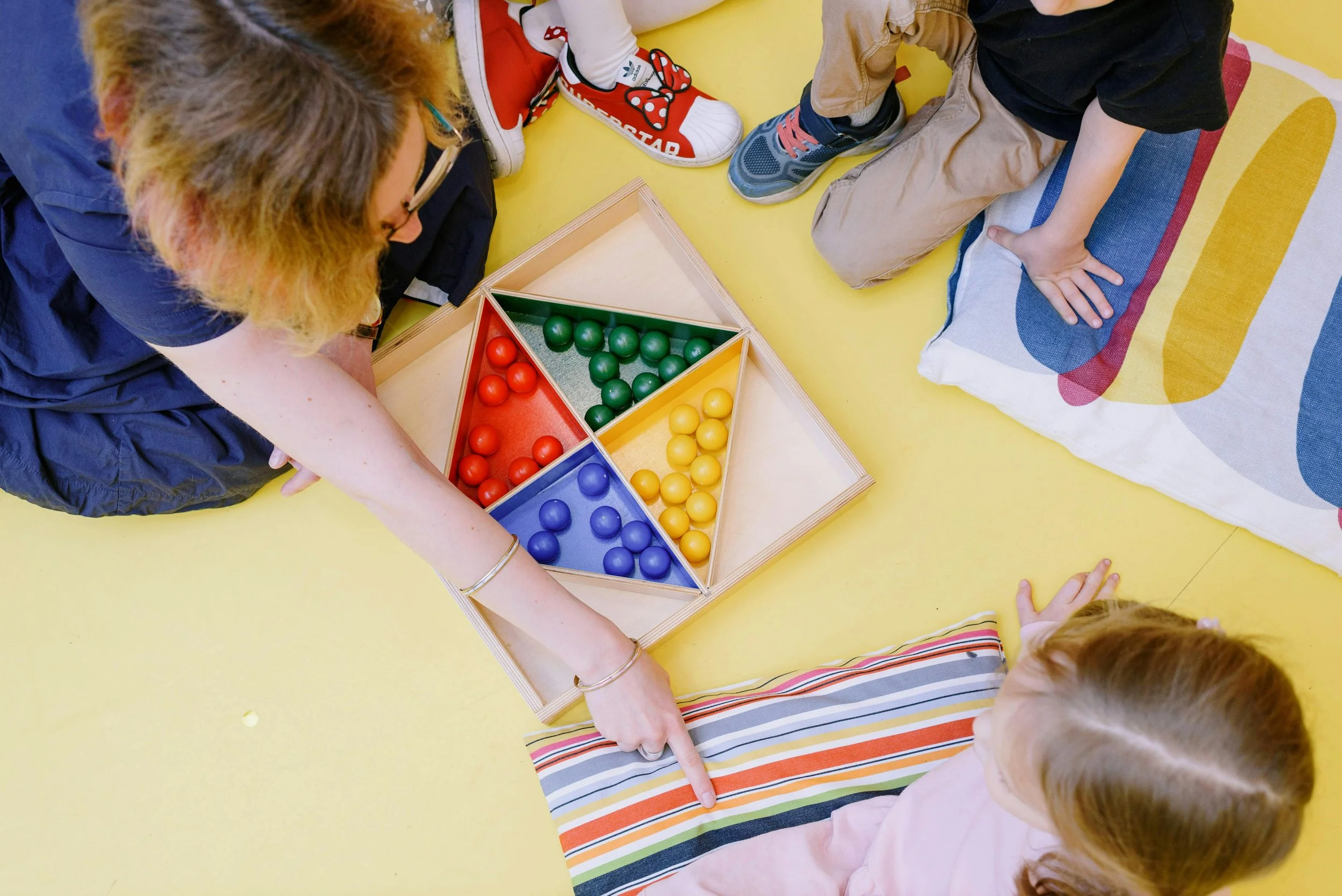
Friends for Life provides comprehensive programming for children’s early learning needs.
Our centres employ a child-centered, play-based approach where Early Childhood Educators attentively respond to each child's interests, abilities, and learning styles.
Utilizing a variety of hands-on materials, learning is enhanced through educator-facilitated and child-led, small and large group activities, both indoors and outdoors. Children are given the opportunity to engage in a wide range of activities and play materials that promote their physical, cognitive, social-emotional, and communication development.
-
Emergent Curriculum is a child-centered approach to early learning that fosters children's individual interests and curiosity, empowering them to take ownership of their educational journey.
This curriculum is customized to each child, responding to their experiences, progress, and creativity. This curriculum is about child-led learning.
Our Early Childhood Educators serve as facilitators of the child's learning journey, not direct it. They provide children with the resources they need to learn. They inspire wonder, guide children toward meaningful explorations, and learn alongside them as co-learners.
-
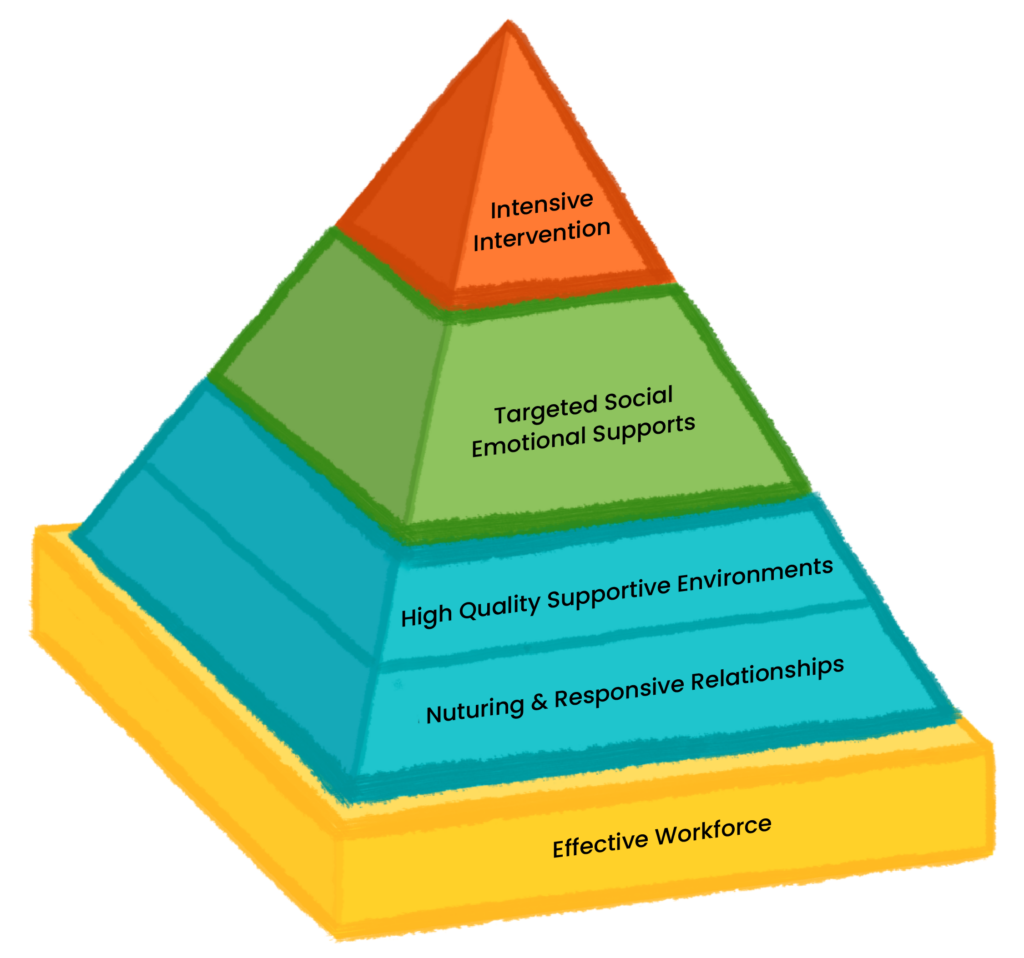
Friends For Life is proud to partner with Nova Scotia Early Childhood Development Intervention Services (NSECDIS) to implement The Pyramid Model for Supporting Social Emotional Competences in Infants and Young Children.
The Pyramid Model is evidence-based and provides a framework that helps early childhood programs excel in supporting the social and emotional development of young children. Our participation in this initiative supports our commitment to offering the highest quality care to our young learners.
The Pyramid Model emphasizes relationships and the learning environment. One of its key strengths is its focus on positive coaching for early childhood educators, allowing them to set and achieve their own learning goals. This focus on coaching distinguishes this program and contributes to its success.
Focusing on relationships and families is also a vital and key strength. The communication and collaboration between educators and families are strengthened, and families are provided with tips and resources to support their children's social and emotional skills at home. As classrooms are coached, families receive regular updates and resources to practice the same strategies their child is learning in class.
-
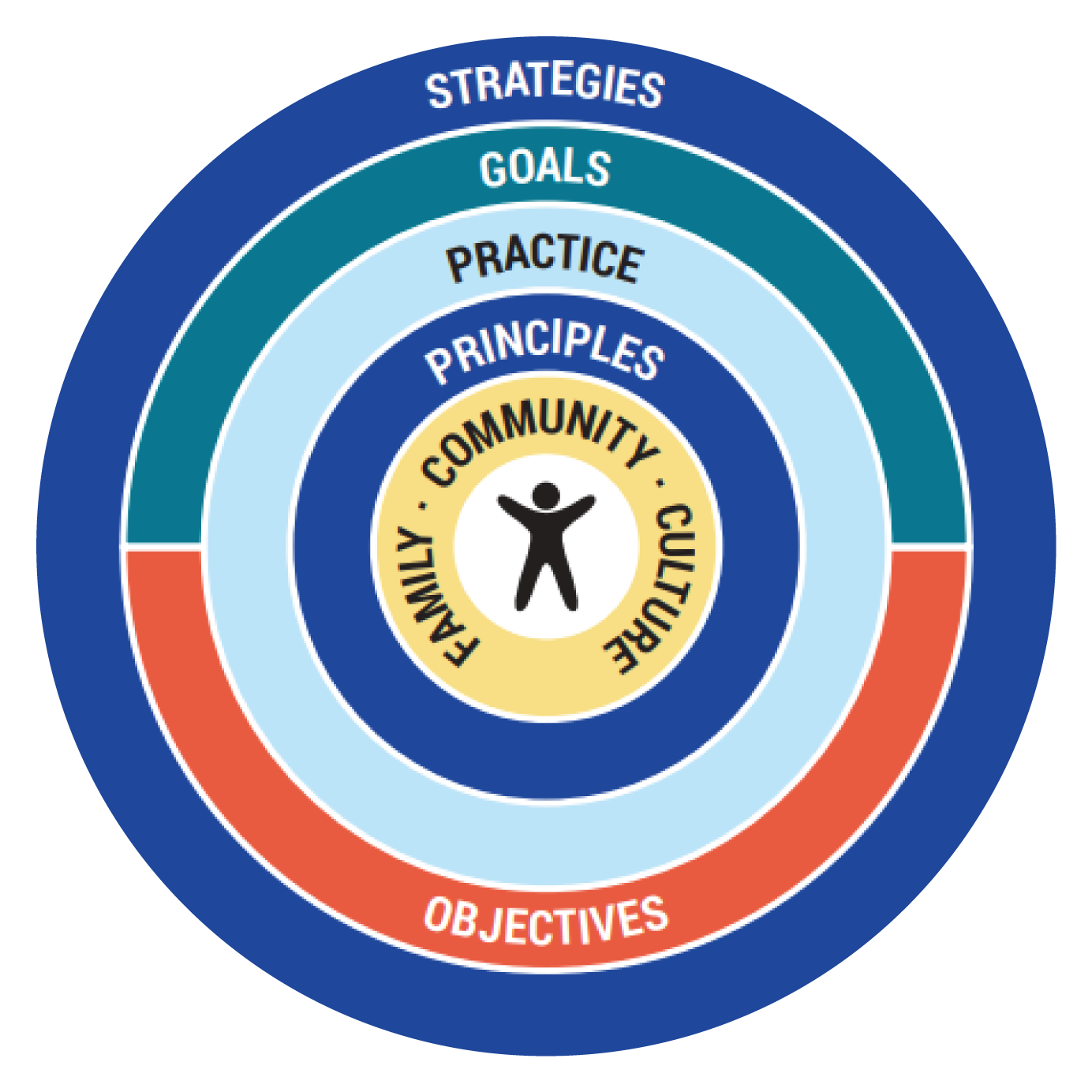
Capable, Confident, and Curious is Nova Scotia's Early Learning Curriculum Framework that guides our centres in developing classroom programs. This framework recognizes that children's early learning is influenced by multiple layers of impact.
Our educators value children for who they are today, as well as who they will become. This value extends to and acknowledges how a child's family, culture, and community contribute to their learning and growth.
The frameworks principles of early learning reflect what educators understand to be essential for young children's learning and development.
The framework guides our educators in their holistic approach to teaching. Where they provide for not only cognitive learning but also physical, personal, social, emotional, and overall well-being.
As part of their professional practice, our Early Childhood Educators conduct observations and collect data on the children’s play interest, motivations, and curiosities frequently. This supports the development of programming and classroom/routine-based plans suited to the child as an individual.
-
Visuals are another form of communication by using imagery.
Research shows that almost everyone learns best WITH visuals than without, unless they are visually impaired or have a processing disorder associated with images.
We provide in-depth research-based training to our team about how to properly implement visuals at our centres.
-
Our teams use a variety observations methods, developmental tools, written records, and photographical documentation, such as audio or video. This documentation is useful to monitor children’s progress and to assist children, families, and educators with school transitions.
Documentation also assists in the collection of meaningful data in Routine-Based Plan development. -
Quality Matters is a province-wide early childhood continuous quality improvement system. It is based on international evidence regarding the importance of quality in early childhood education and care. This engulfs the centre as a whole, in the end we want to create a centre wide goal not individual classroom goals.
4 Elements of Program Quality:
Workforce: Qualifications, professional development, human resources, and compensation
Leadership: Professional, pedagogical and administrative
Environment: High quality and inclusive
Relationships: Interactions & Partnerships with Children, Parents and Families, Staff, Other Professionals and the Community
What Parents Say
“This is the first daycare I have trusted with any of my kids and the way I have seen how every member of your team cares for the children and one another makes it feel like family. Thank you for everything you do and for having such a huge and positive impact of the precious little people you care for.”
— C Murdoch
Regulations
All of our locations are licensed by the Department of Education and Early Childhood Development. At FFL, we value the health, safety, and well-being of our families and employees. We lean into our Licensing Regulations heavily to ensure these values are met, above and beyond the standards outlined by the department.